
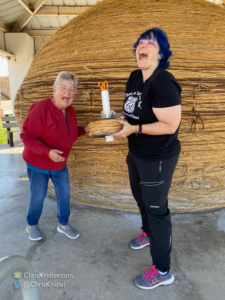
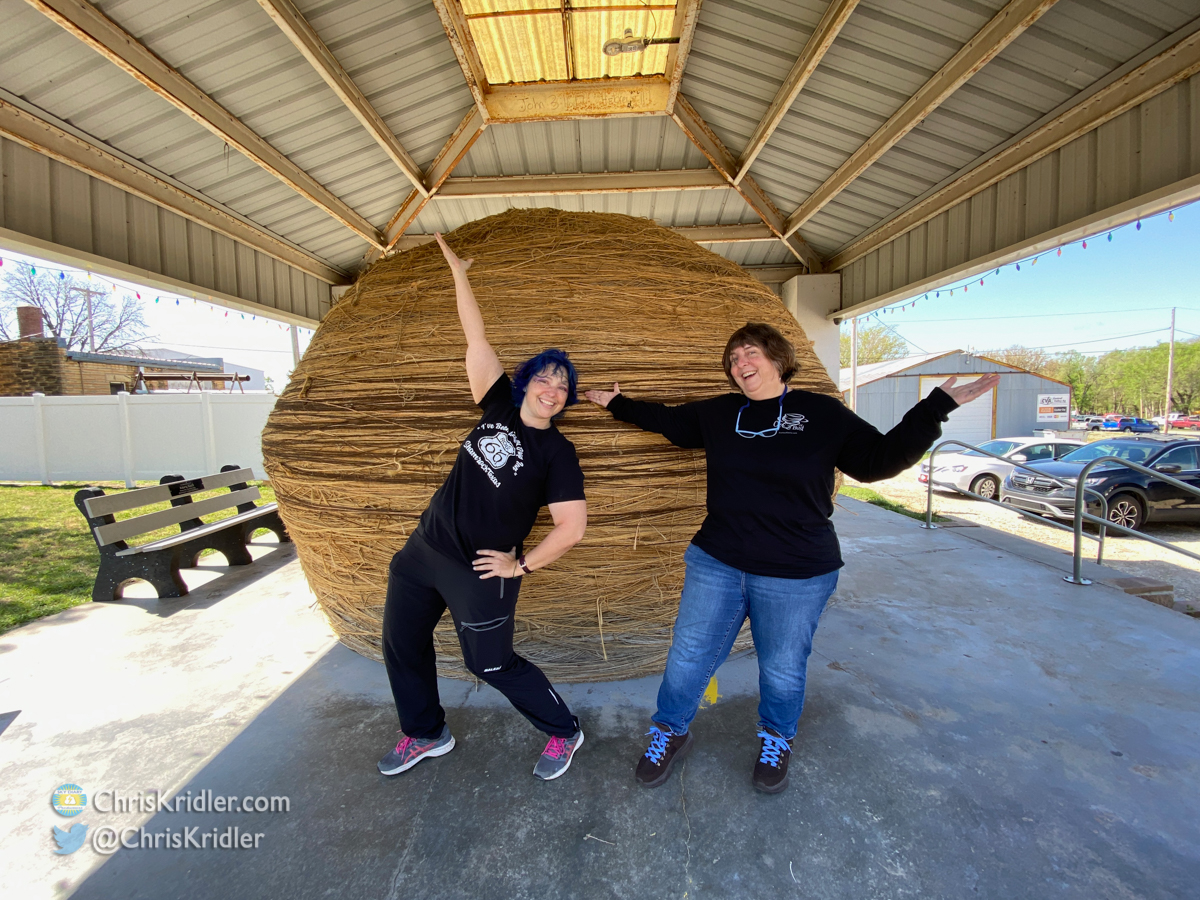
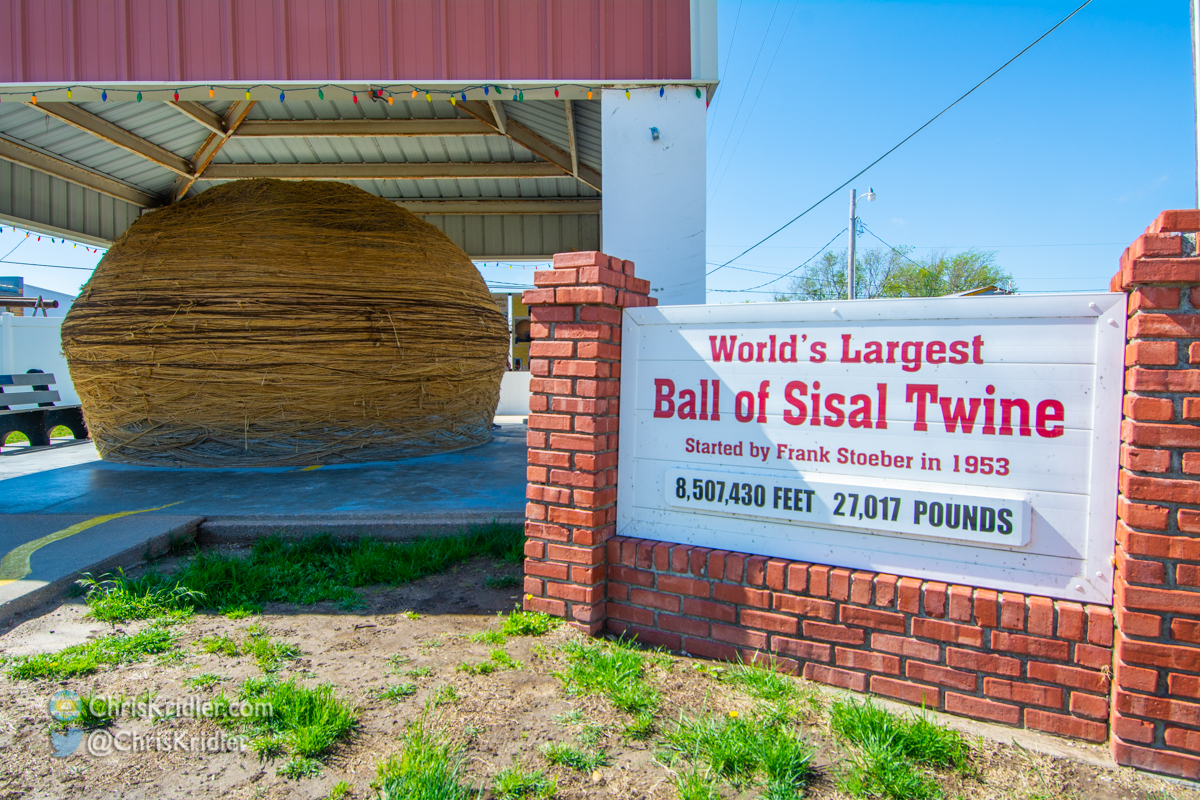
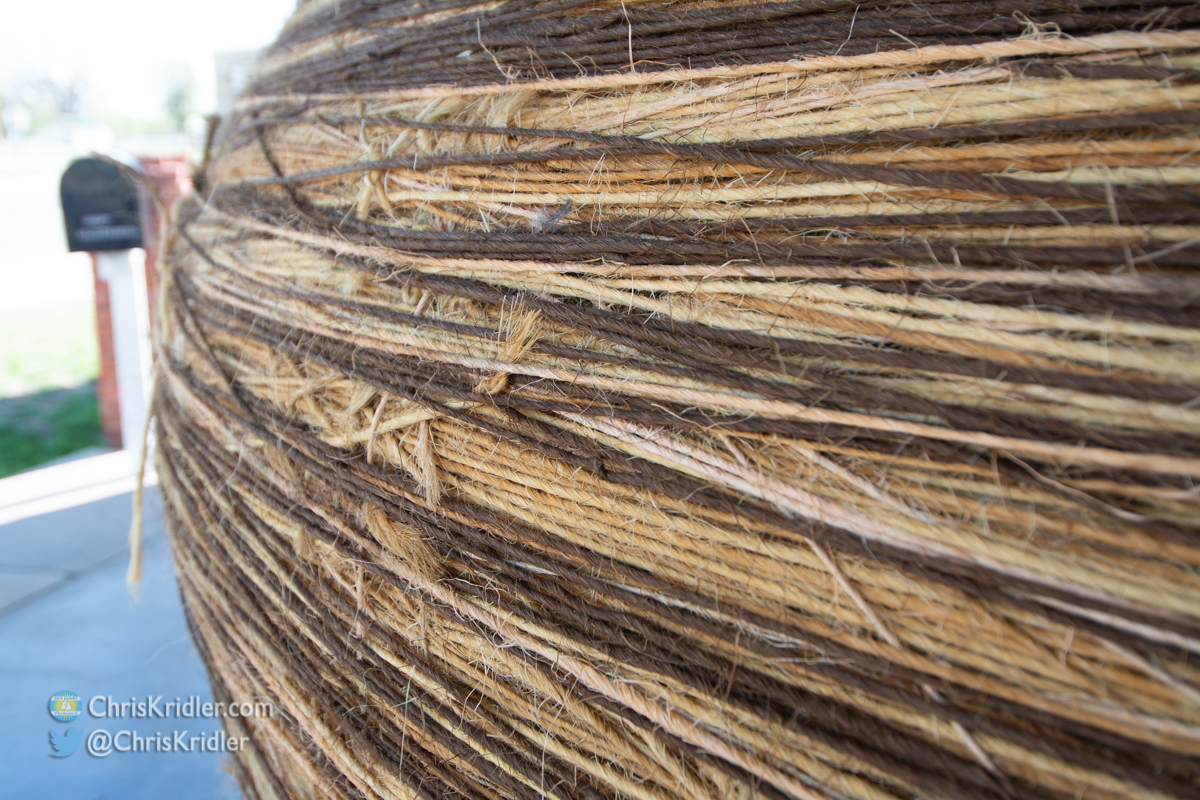
Cawker City, Kansas’ twine caretaker Linda Clover helps Alethea Kontis add to the world’s largest ball of sisal twine on May 7.
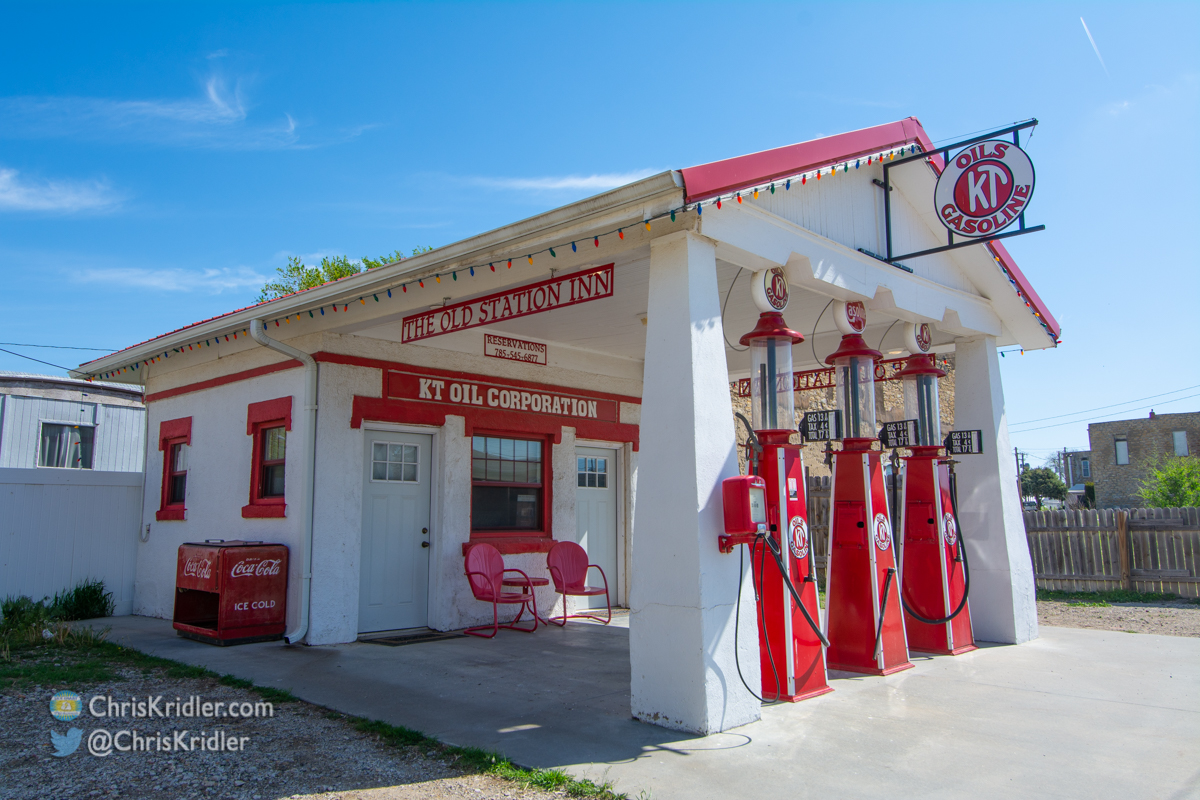
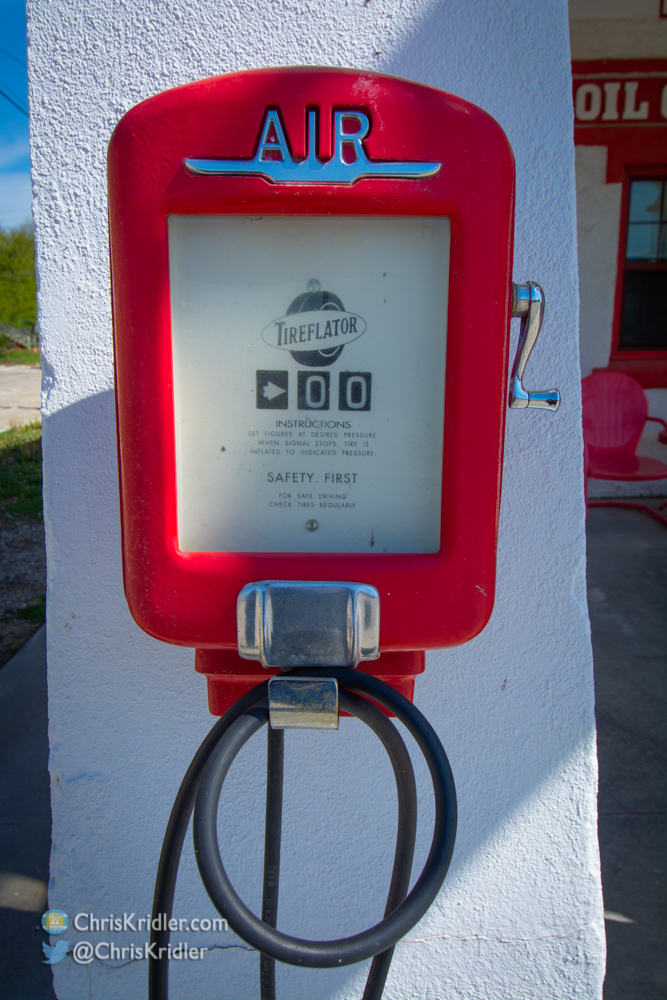
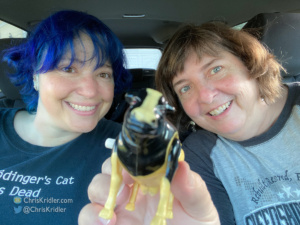
I’ve added twine to the ball before, many years ago. So it was a thrill to do it again – even “setting the record” for a brief time. And Alethea, on her first visit, got to add twine, too. This seemed like a good omen! There’s also a delightful restored vintage gas station across the street now where you can book a night’s stay.
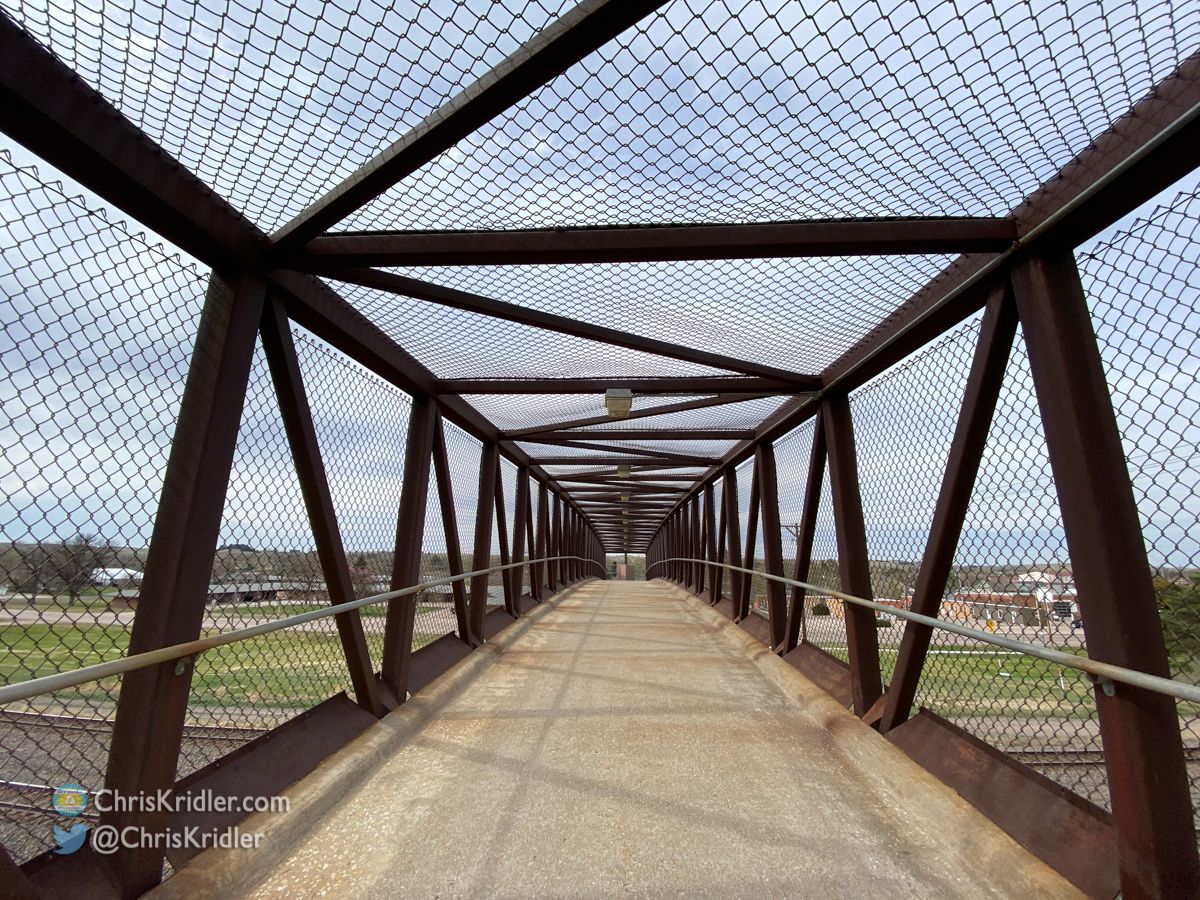
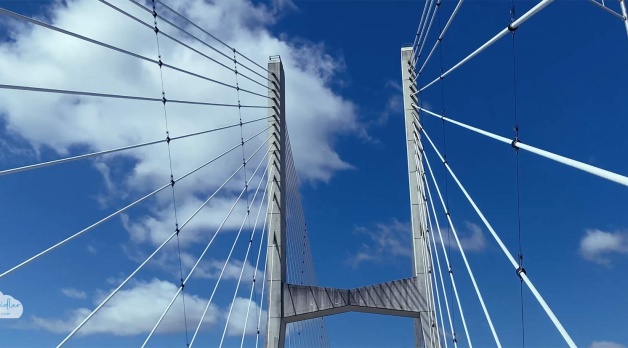
From there, we headed up into western Nebraska, making a stop in Sutherland. There’s a huge pedestrian walkway structure built over the many train tracks that go through here, so we climbed up and watched the clouds and hoped for a train. And we got one! I waved, and the conductor tooted the whistle, as you can see in the video.
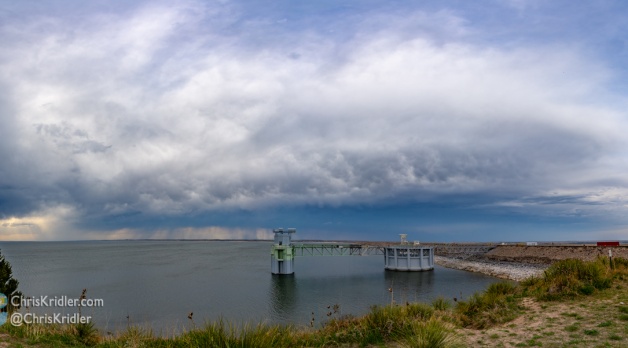
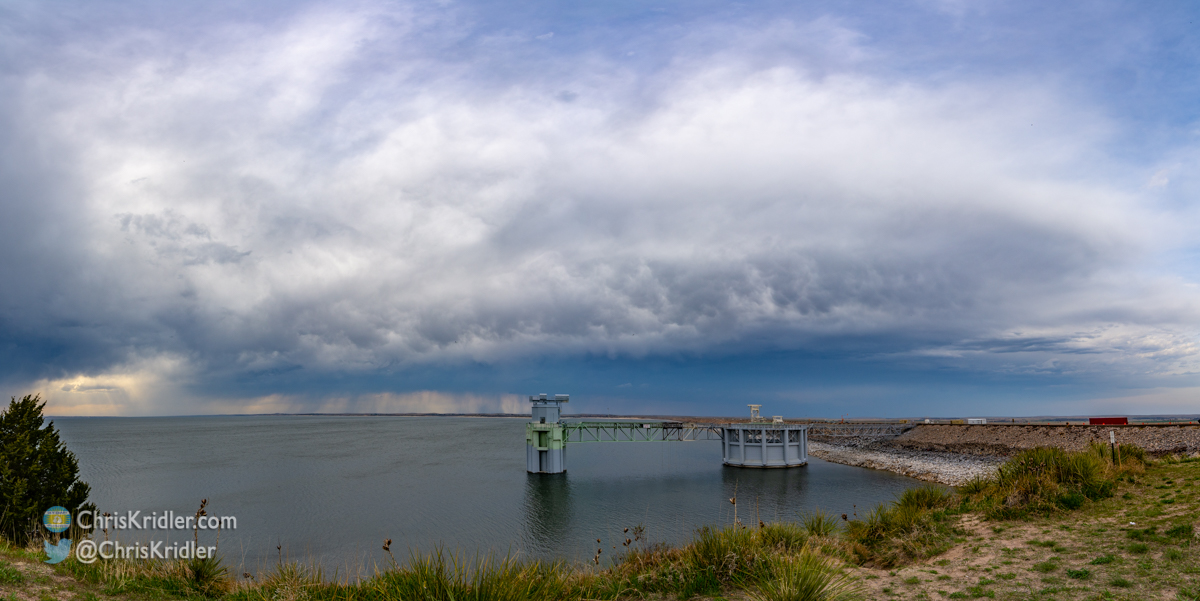
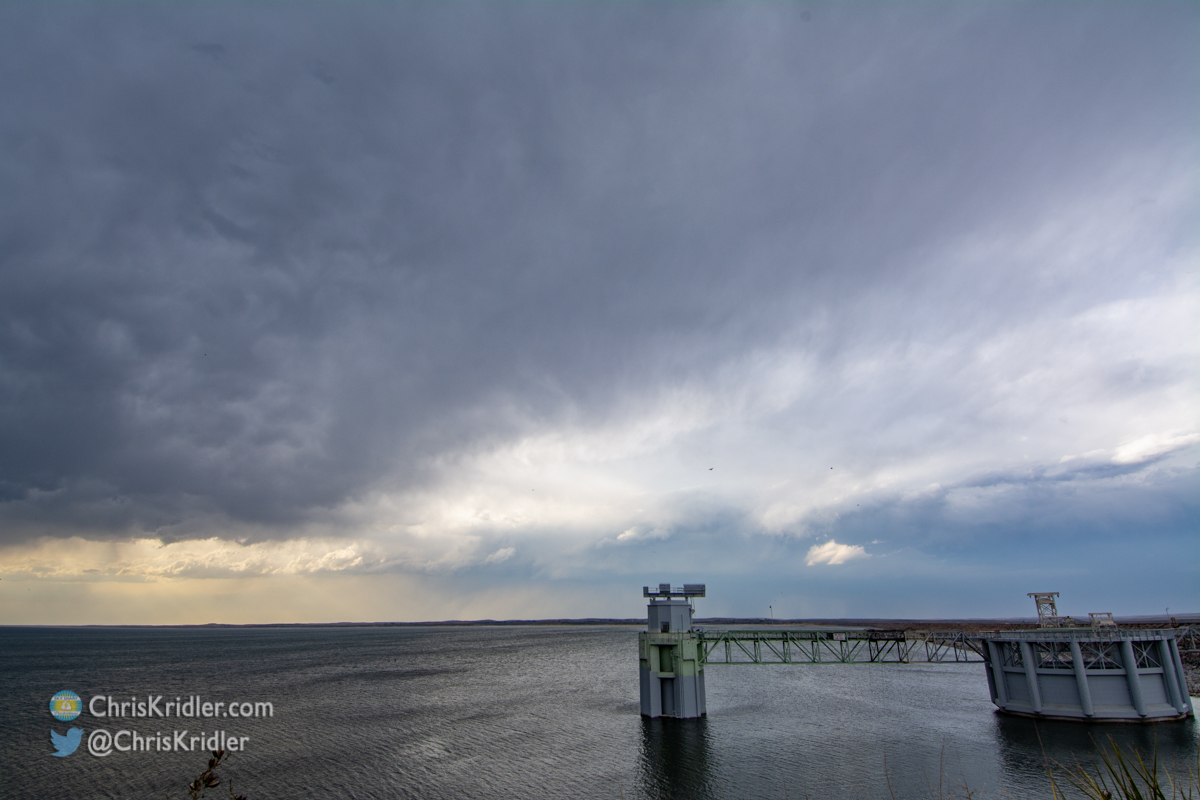
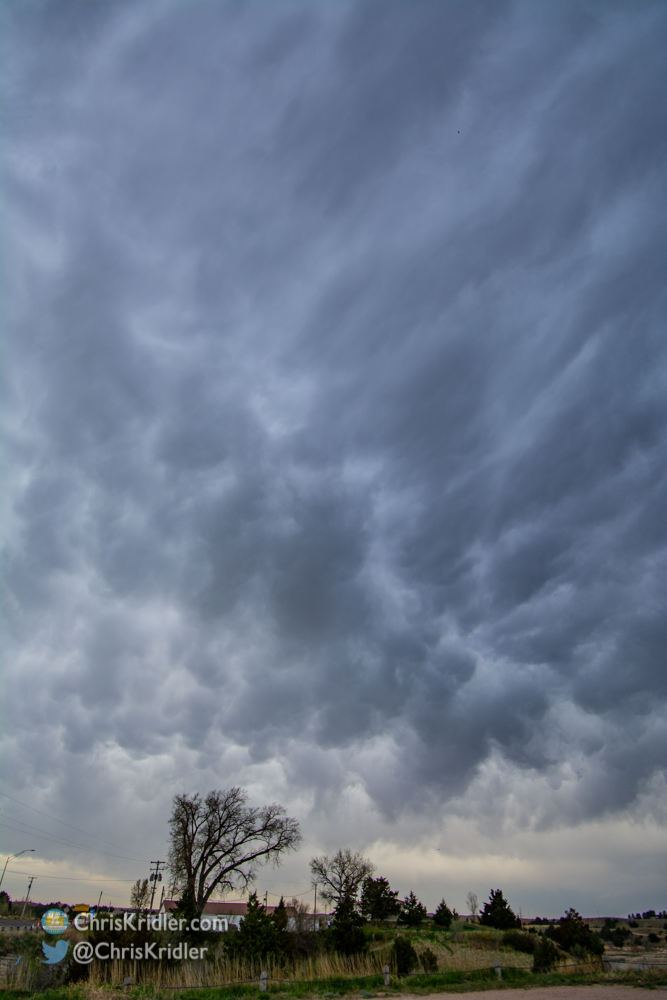
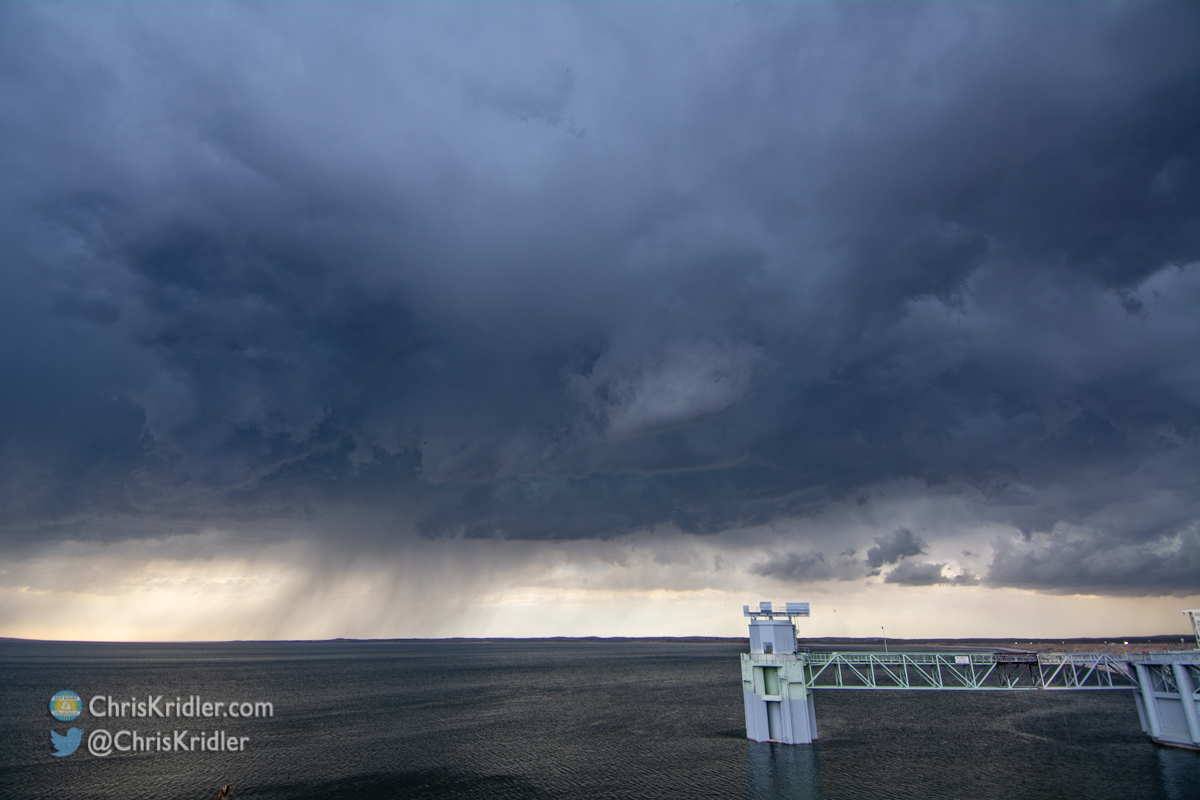
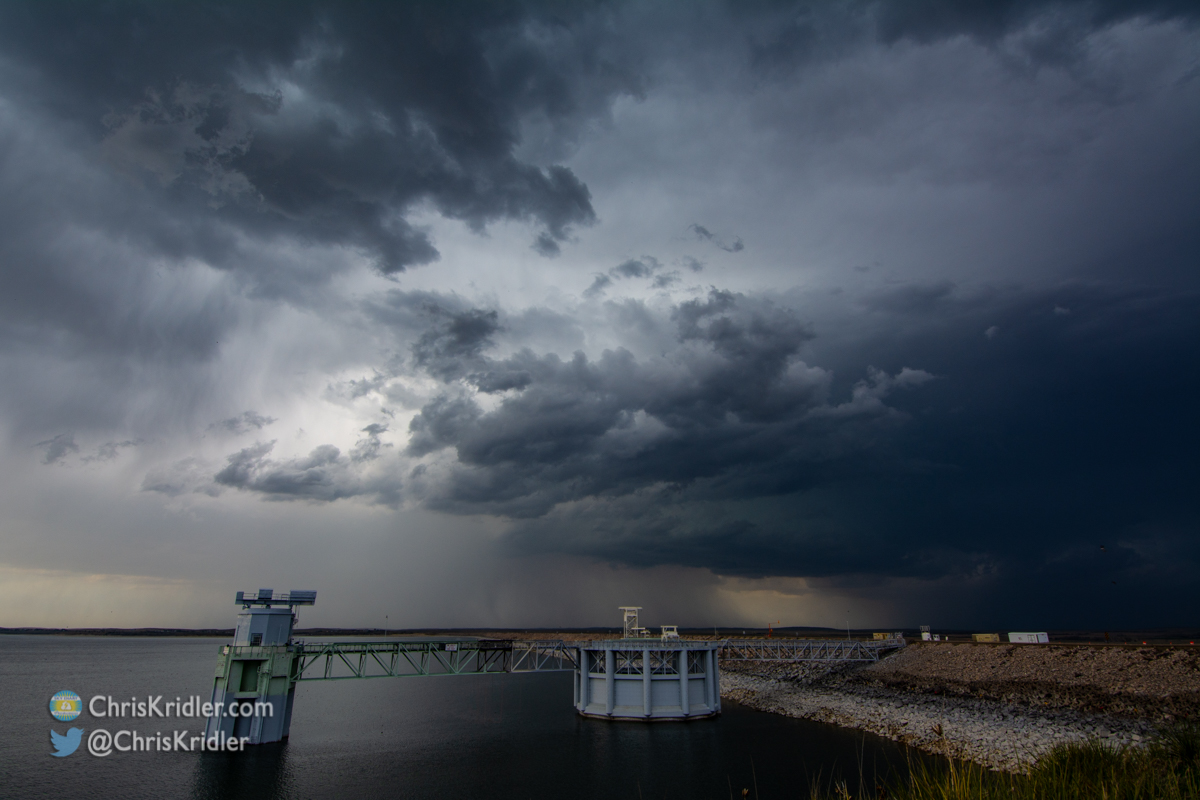
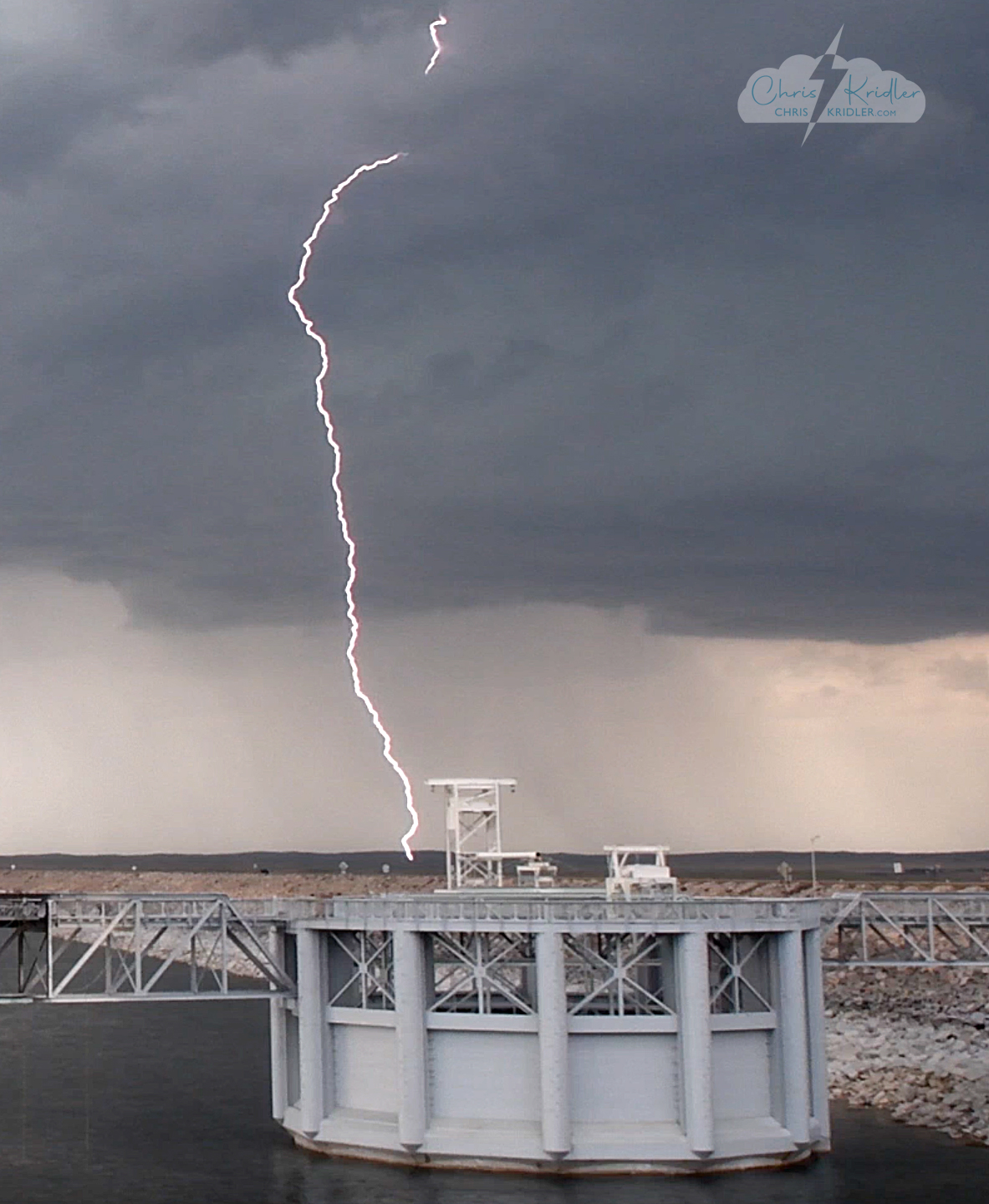
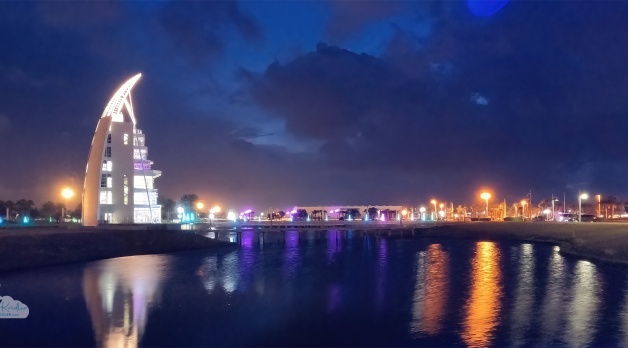
Then we traveled on to Lake McConaughy for a pretty view of storms as they rolled over the lake. Beauty and zen and lightning – it’s all in the video. We ended the day in Ogallala, Nebraska, where the awesome UFO water tower would be a great foreground for lightning, if only the lightning had hung together. Oh, well. It was a really fun day.
Roll over an image to see its caption, or click on any photo to start a slide show.

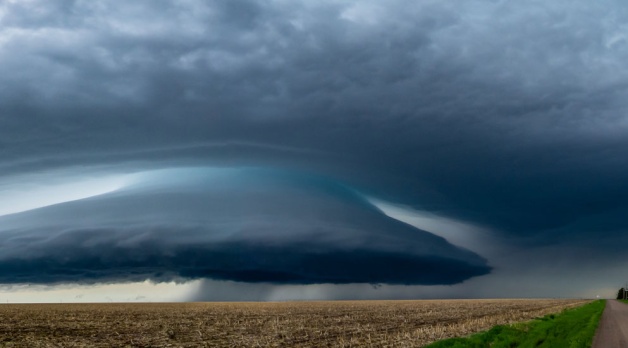
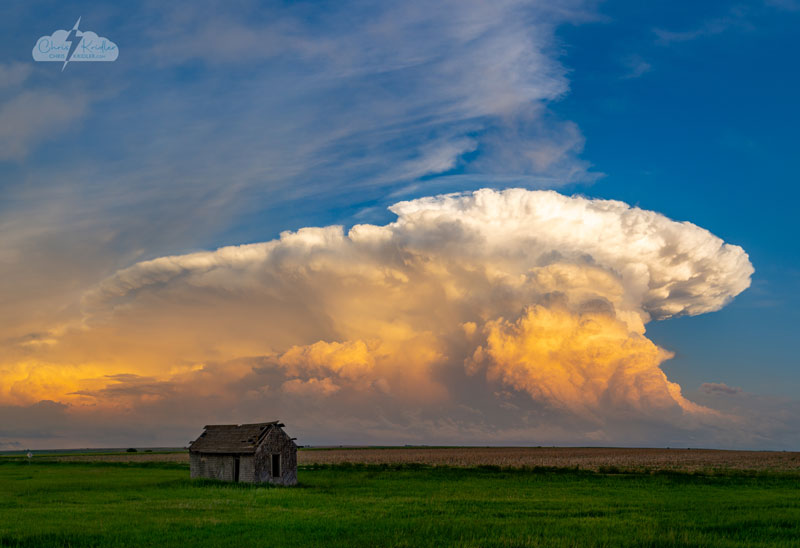

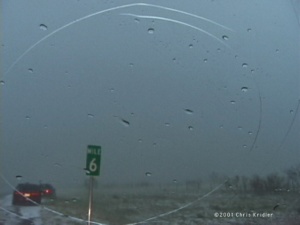 Back in 2001, when I’d been chasing storms for just a few years, Dave Lewison and I met up with Scott Blair and Jason Politte on May 30 and headed into northeast New Mexico in pursuit of supercells. We found one that formed on the high plains. There were cold temperatures aloft and the perfect ingredients for rock-hard hail. We knew the storm was producing this hail – we could see it, falling from the cloud like a white waterfall – and we were determined to get ahead of it.
 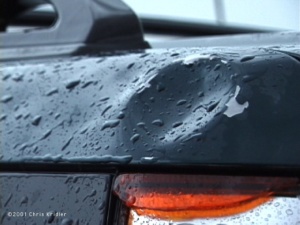 Even now, chasers get caught by hail. Hell, some chasers rush into it. But back in the days of no in-car radar data, when we’d “go visual” to figure out where to be in relation to the storm, it was even easier to screw up. And boy, did we screw up. We got on I-40 and were caught by the storm just inside the Texas Panhandle, with no exits or shelter in sight. Our cars were bombed by sideways-blowing hail for about ten minutes, including stones up to baseball size. To this day, I avoid chasing storms on Interstates because of this experience. See more pictures and a thorough account of this chase in the